Safe
Reduce the risk of impaired workers operating vehicles, plant and machinery, and protect everyone on site.
Urine, oral fluid and breath alcohol programs built on the Australian Standards, with laboratory confirmation of every not-negative screen and results reported digitally. For employers who need a program their workforce can trust.
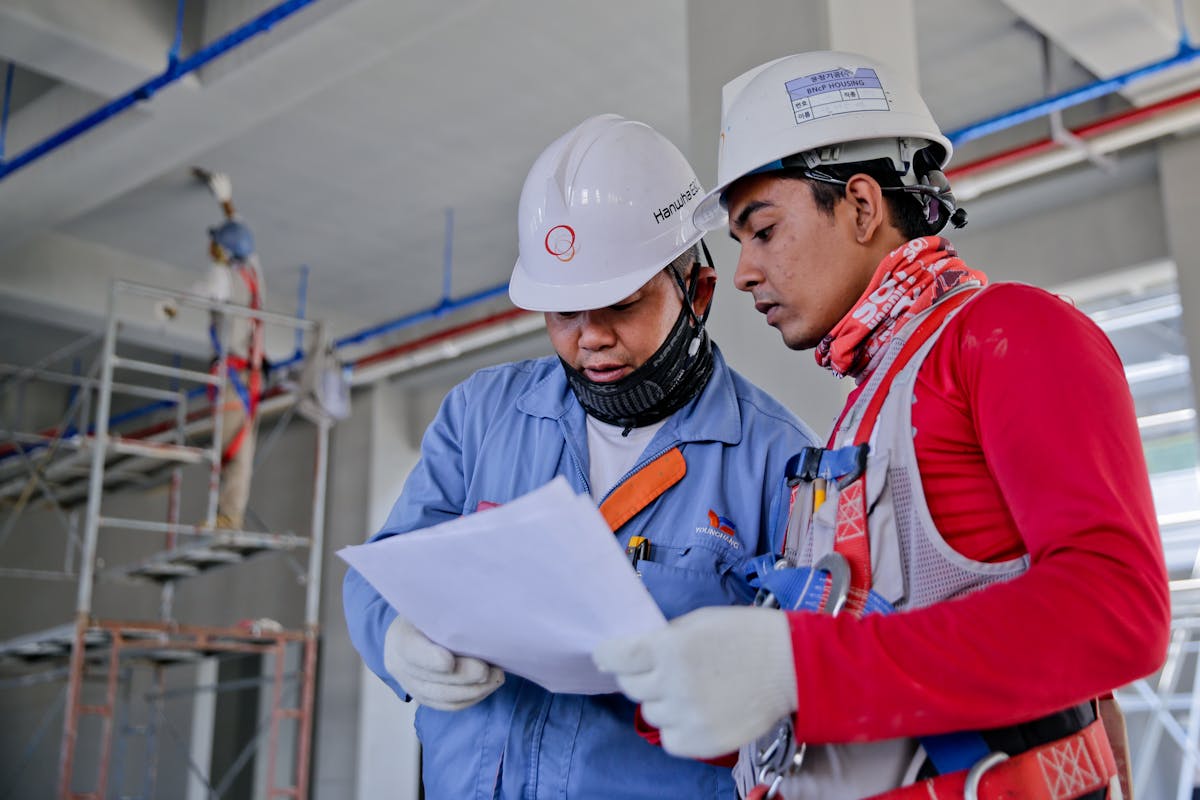
Employers have a duty under Australian work health and safety laws to manage risks to workers and others. Impairment from drugs or alcohol is one of those risks.
A worker affected by drugs or alcohol is more likely to be involved in an incident, particularly around vehicles, machinery, heights and heavy loads. The consequences reach far beyond the individual: injured colleagues, damaged plant, stopped work and investigations. A fair, well run screening program is one of the most direct controls an employer has.
Screening works best as part of a wider approach that includes a clear policy, education, support for workers who need help and consistent follow-through. The laboratory's role is to make sure every result is accurate, confirmed and properly documented.
Reduce the risk of impaired workers operating vehicles, plant and machinery, and protect everyone on site.
Identify problems early and connect workers with support through a policy that treats people fairly.
Fewer incidents, less downtime and a workplace culture where fitness for work is simply expected.
Confirm new starters meet your fitness for work requirements before their first shift, usually with urine analysis for its longer detection window.
Unannounced screening across the workforce that deters use and measures how well your policy is working.
Fair, documented screening when behaviour raises concern or an incident needs to be investigated.
Follow-up screening that supports a managed, confidential return to duties after treatment or a positive result.
Each method answers a different question. Most programs use a combination.
| Method | Australian Standard | What it shows | Best suited to |
|---|---|---|---|
| Urine drug analysis | AS/NZS 4308:2023 | The longest detection window of the three methods, showing use over the preceding days | Pre-employment, return to work and scheduled screening |
| Oral fluid drug analysis | AS/NZS 4760:2019 | Recent use, with a shorter window that relates more closely to possible impairment | Random, for-cause and post-incident screening |
| Breath alcohol analysis | AS 3547 devices | Current blood alcohol concentration, with an immediate reading | Start of shift, random and post-incident screening |
No employment decision should rest on a screening device alone. Every not-negative screen is confirmed in the laboratory.
A written policy sets out when screening happens and what follows a result.
Specimens are collected under the relevant Standard, with custody recorded digitally.
An immediate negative or not-negative result for drugs, and a breath alcohol reading.
Not-negative specimens are confirmed by laboratory analysis against the Standard cut-offs.
The confirmed result is reported digitally with the drug class and concentration.
Your policy guides the next step, from return to duties to support and follow-up screening.
Standard workplace panels cover the drug classes listed in the Australian Standards. Where your risk profile calls for it, we can extend analysis to substances that sit outside the Standards.
Heights, plant and multiple contractors on one site.
Remote sites, heavy equipment and fitness for work obligations.
Drivers, forklifts and warehouses where impairment puts the public at risk.
Production lines, machinery and shift work.
Field crews, depots and public facing roles.
Roles where judgement and reaction time are critical.
Access to medicines and responsibility for vulnerable people.
Pre-placement screening that meets each host employer's requirements.
Common questions from employers setting up or reviewing a workplace screening program.
Urine drug analysis is covered by AS/NZS 4308:2023 and oral fluid analysis by AS/NZS 4760:2019. Breath alcohol analysis uses devices that meet AS 3547.
Urine has a longer detection window and suits pre-employment and return to work screening. Oral fluid is quick, observed and reflects recent use, which suits random and post-incident screening. Many programs use both.
A not-negative result means the onsite screen could not rule out a drug. It is not a confirmed positive. The specimen is sent to the laboratory for confirmatory analysis before any conclusion is drawn.
Standard workplace panels covers amphetamine-type substances, cannabis, cocaine, opiates and, where your policy includes them, benzodiazepines. Talk to us about extended panels for other substances.
A clear written policy is strongly recommended. It sets out when screening happens, what happens after a result and how privacy is protected, which makes the program fair and easier to defend.
Results are reported digitally, with standard turnaround within 24 hours of receipt and priority within 12 hours.